Booking choice: The San Callisto entry with its guided visit, with free cancellation up to 24 hours before. Book this Compare the options below
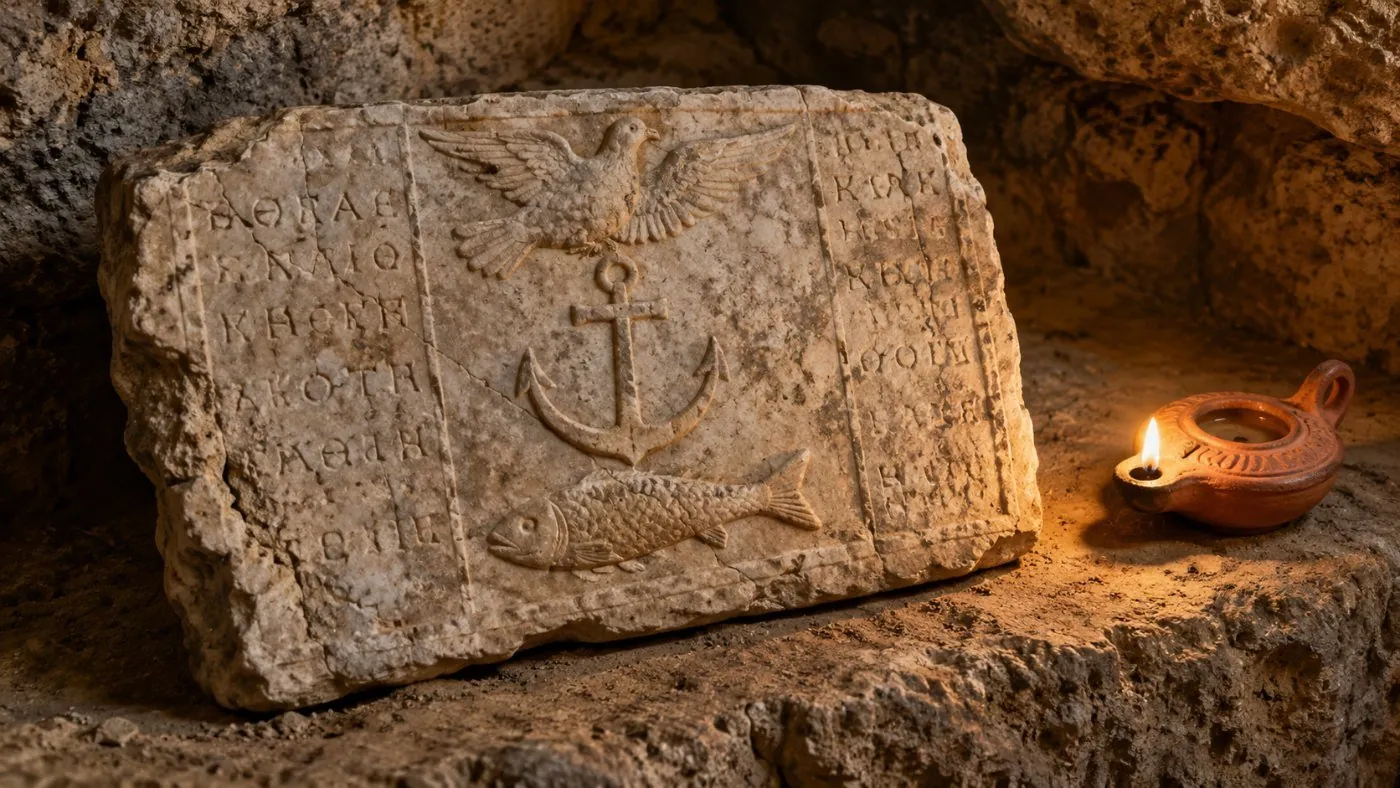
The catacombs grew from family tombs. In the first half of the 2nd century, Christians began burying underground, often by extending existing family plots, per San Callisto's history pages. In the 3rd century San Callisto became the official cemetery of the Church of Rome, with Callixtus as its administrator.
Over the next two centuries the galleries spread for kilometres on several levels. Below: where they are, who is buried in them, the numbers, and the long gap between their abandonment and their rediscovery.
The quick answer
Mostly ordinary Christians of ancient Rome, buried from the 2nd century, together with martyrs and popes: nine popes in San Callisto's Crypt of the Popes, and several more at Priscilla. Jewish Romans used separate catacombs. Across about 150 km of galleries, the Italian bishops' daily Avvenire estimates 500,000 to 750,000 tombs. They are not under the city itself: Roman law forbade burial inside the city, so the cemeteries lie outside the ancient walls along the consular roads. The idea that Christians hid there is a myth.
Are there catacombs under Rome?
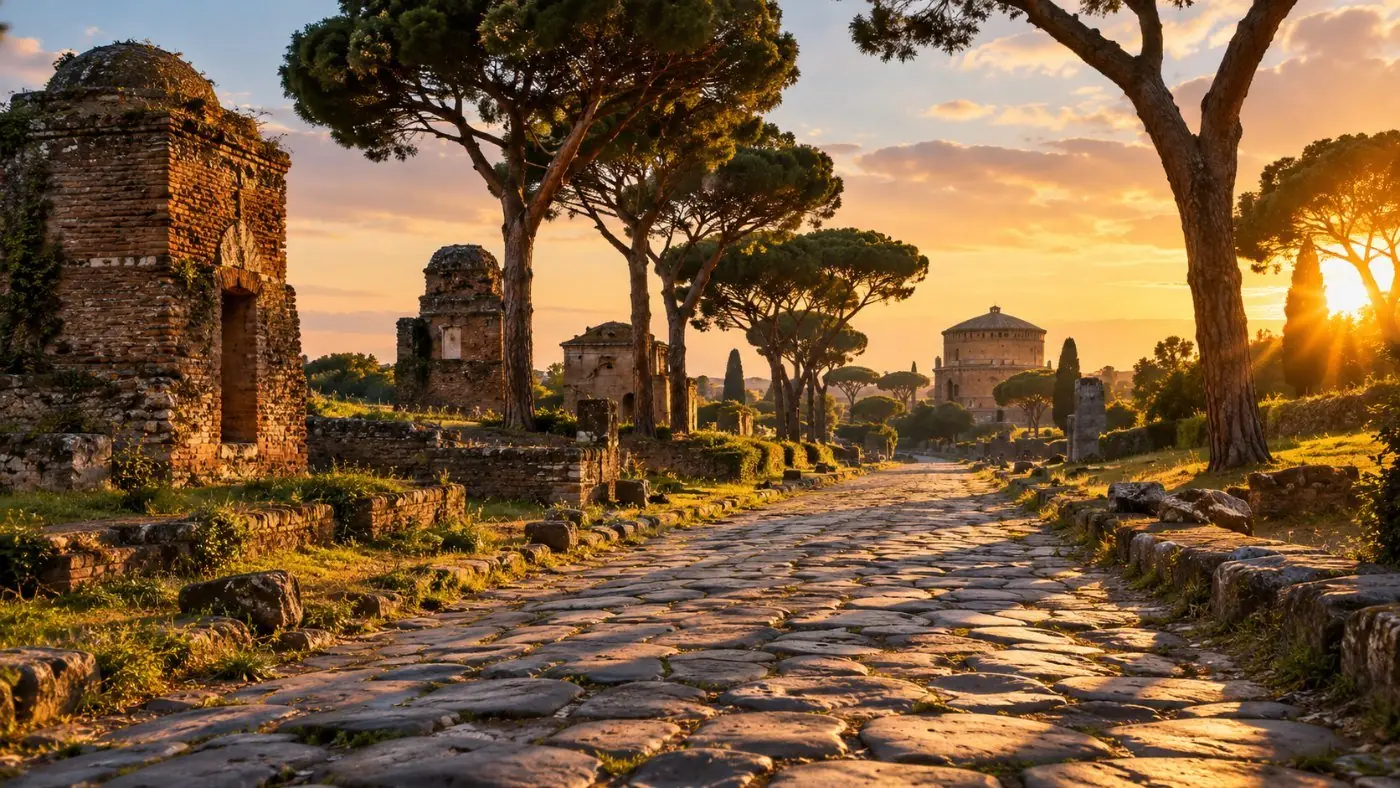
Not under the ancient city itself. Roman law forbade burial within city limits, so the catacombs lie outside the old walls, along roads such as the Via Appia, Via Salaria and Via Nomentana.
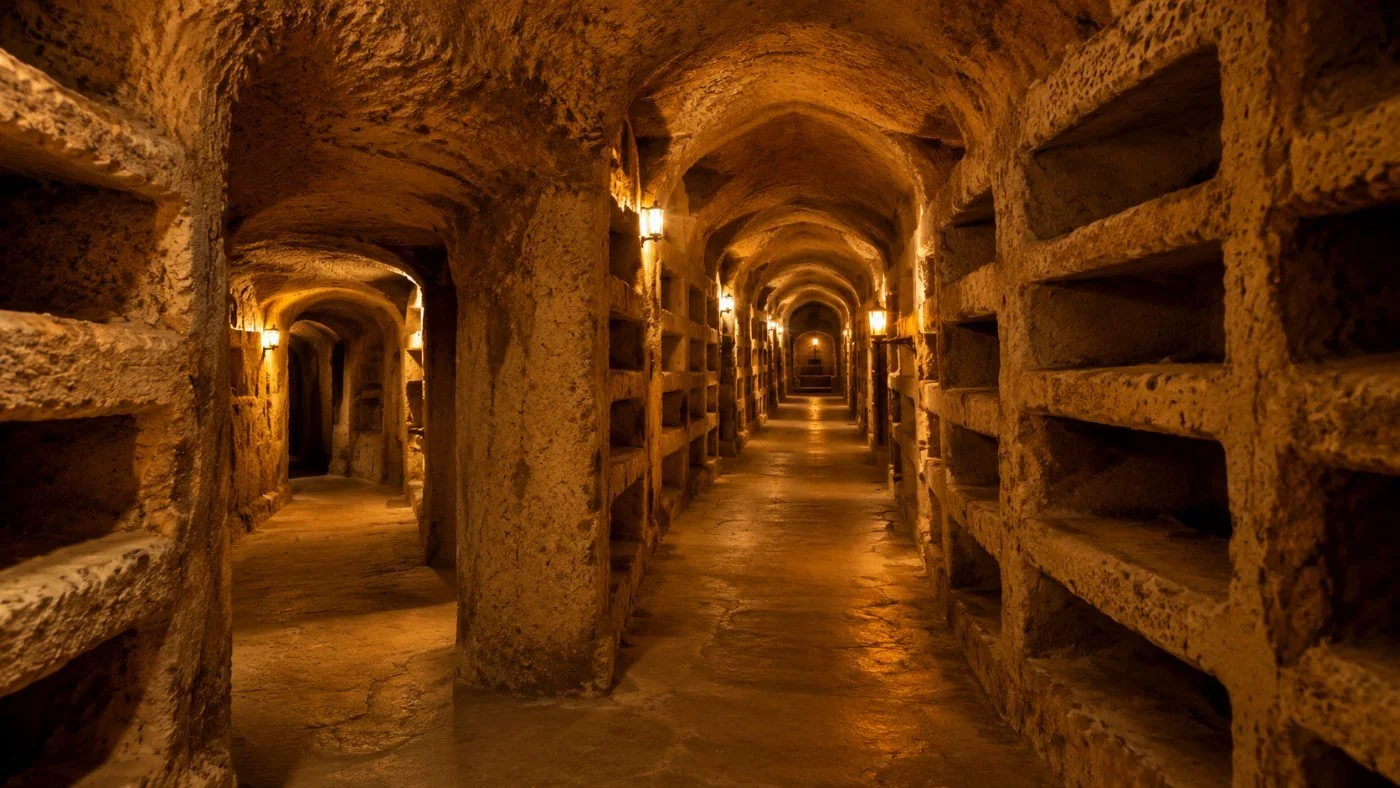
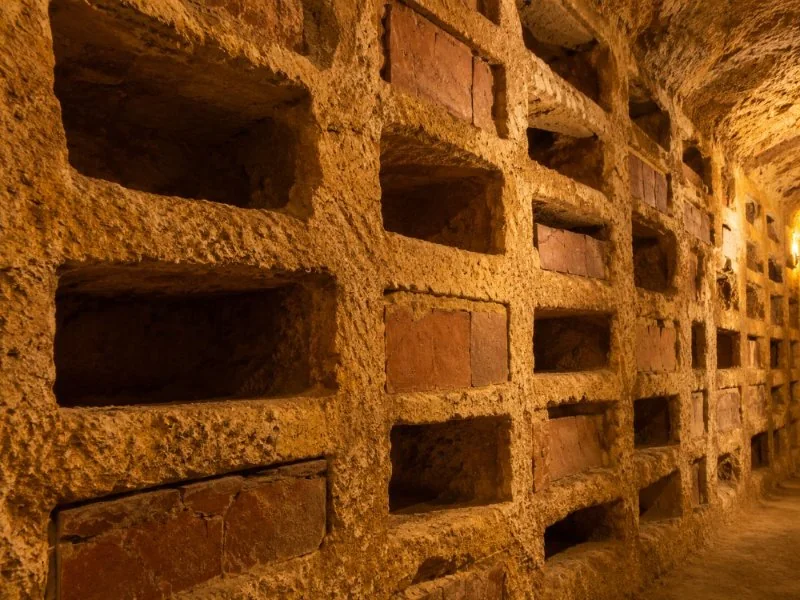
The galleries were dug into tufa, a volcanic rock that is soft to cut and hardens once exposed. Some reused old quarries, as at San Sebastiano. Rome has about 60 catacombs, Christian and Jewish, large and small, adding up to about 150 km of galleries. Seven are regularly open to visitors; the guide to the best catacombs lists them with their closing days.
Modern Rome has spread far past the walls, which is why a catacomb can now sit next to a suburban road.
Who is buried in the catacombs?
Mostly ordinary members of Rome's Christian community, with martyrs and popes among them. San Callisto's Crypt of the Popes alone held nine popes.
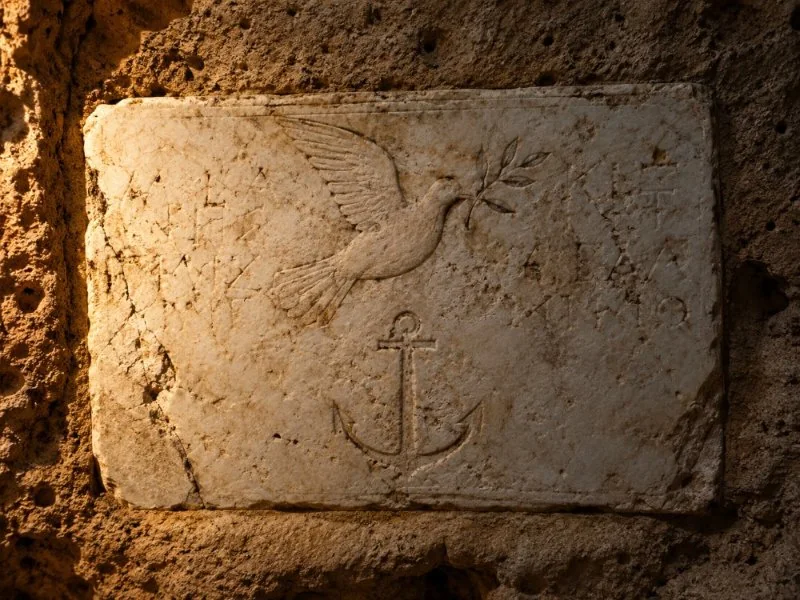
Greek inscriptions in that crypt name Pontianus, Antherus, Fabian, Lucius and Eutychian. San Callisto's homepage counts 16 popes and many martyrs across the whole complex. Priscilla says seven popes were buried there, among them Marcellinus, Silvester and Siricius. The catacombs also held famous martyrs: St Cecilia at San Callisto, St Sebastian on the Appia, Sts Nereus and Achilleus at Domitilla, St Agnes on the Via Nomentana, and Sts Marcellinus and Peter on the Via Casilina.
Jewish Romans had their own catacombs, as old as the Christian ones or older. Villa Torlonia's are not open; Vigna Randanini on the Appia is visited by arrangement with the archaeological park.
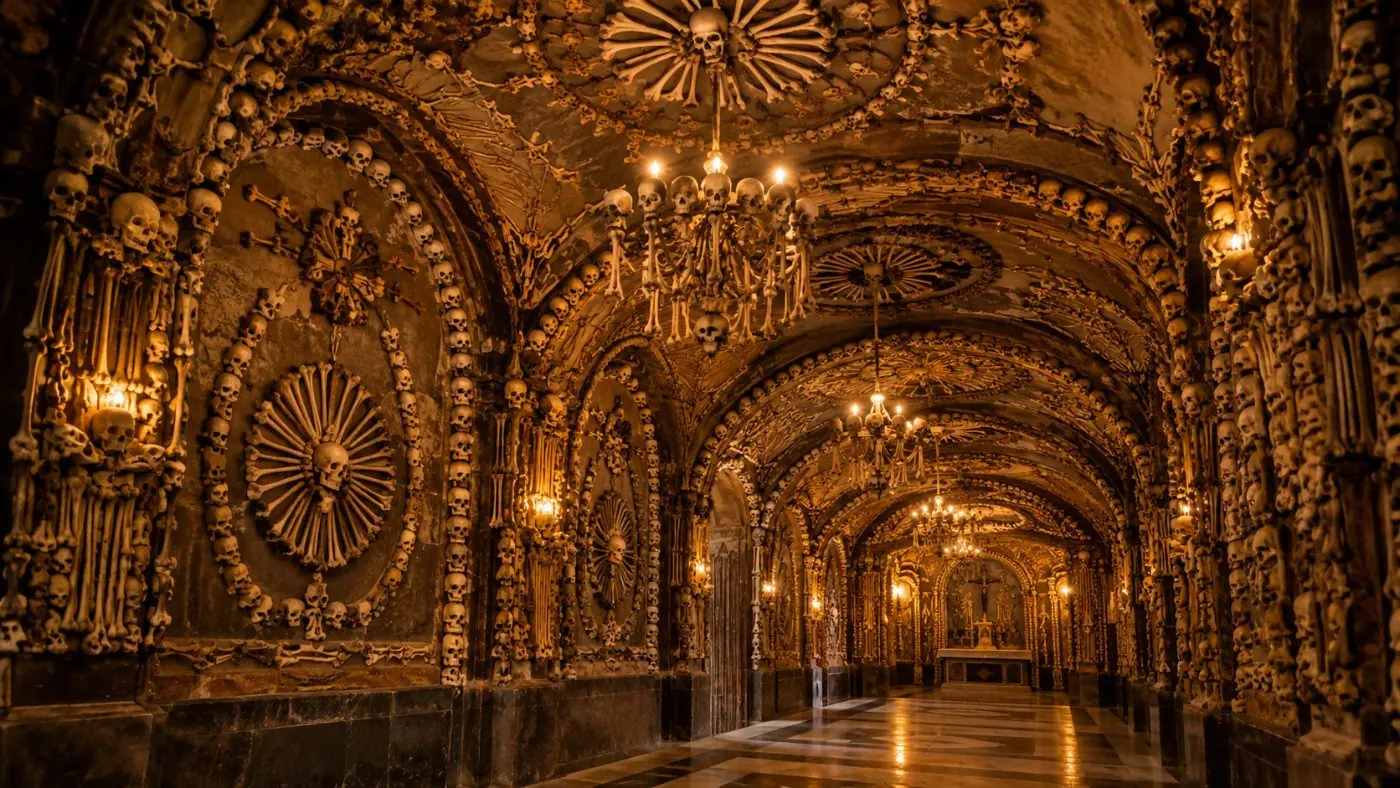
Stand in the Crypt of the Popes with the official San Callisto ticket and the site's own guide.
Book thisHow many bodies are buried in the catacombs under Rome?
Hundreds of thousands. Avvenire estimates 500,000 to 750,000 tombs across Rome's catacombs, with only a little over 20,000 inscriptions found.
Figures for single sites come from the sites themselves and do not add up neatly with the city-wide estimate, so read them as each site's own claim.
| Catacomb | Galleries | Burials, per the site |
|---|---|---|
| San Callisto | Nearly 20 km on several levels | Around half a million |
| Domitilla | 17 km on four levels | 150,000 |
| Priscilla | More than 13 km on two levels | Not published |
| San Sebastiano | About 12 km on three levels | Not published |
| Santi Marcellino e Pietro | About 18,000 square metres on four levels | Up to about 15,000 |
| All of Rome | About 150 km | 500,000 to 750,000 tombs (Avvenire estimate) |
Which catacomb has the most bodies?
By the sites' own figures, San Callisto, with around half a million burials. No independent count confirms it, and Domitilla's homepage calls Domitilla the largest.
San Callisto and Domitilla are the two largest catacombs open to visitors. Both are in the Appia area and close on different days, Wednesday and Tuesday, which makes it easy to fit one of them in. If you want both the scale and the story, the San Callisto visit covers the Crypt of the Popes and the Crypt of St Cecilia in about 40 minutes.
Why are there so many dead in the catacombs?
Because they served Rome's Christian community for centuries, and because galleries stacked on several levels could hold far more graves than a field.
Burial underground began in the first half of the 2nd century and continued long after. Diggers cut long corridors and lined them with niches, then dug deeper levels when the upper ones filled. San Callisto reaches more than 20 metres down. Most of the dead were laid in simple niches, so a single gallery could hold many people.
- Loculi: rectangular niches in the walls, sealed with a slab or tiles.
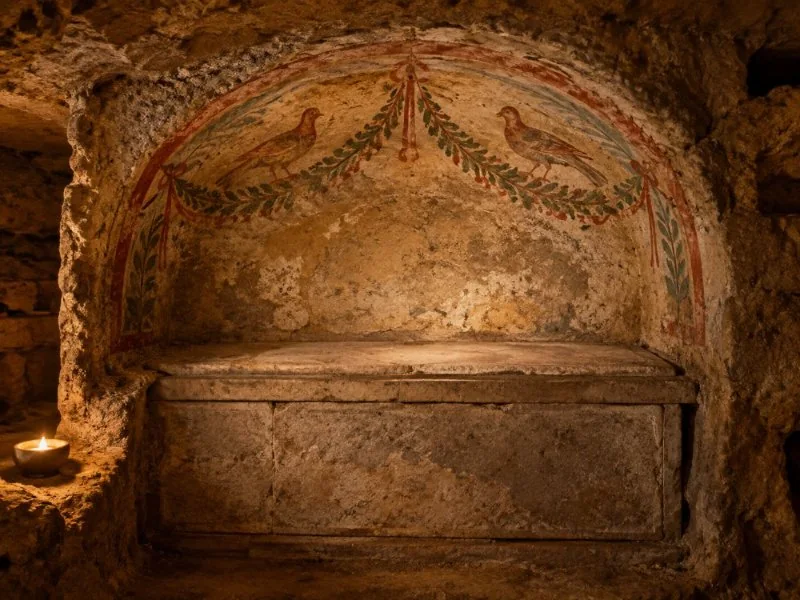
- Arcosolia: arched niches over a tomb, often painted.
- Cubicula: small chambers for a family.
Larger rooms were used for funeral meals in memory of the dead.
Did Christians hide in the catacombs?
No. That is a myth. National Geographic notes they were not secret meeting places to survive persecution, and Avvenire calls the refuge idea outdated: early Christians met in private homes.
The catacombs were burial grounds, and from the 3rd century San Callisto was the official cemetery of the Church of Rome. Funeral meals were held in the larger rooms, and after 313 the martyrs' tombs drew pilgrims. A narrow gallery lined with graves was a place to bury and remember the dead, not to hide. The refuge story is an idea that historians held in the past and have since set aside.
What happened to the catacombs after antiquity?
They became pilgrimage sites after 313, suffered in Gothic and Lombard raids, and lost their relics to city churches in the late 8th and early 9th centuries. Then they were largely forgotten.
Pope Paschal I moved the relics of about 2,300 martyrs, as a tablet in Santa Prassede records. Cecilia's relics went to Trastevere in 821. After that, per San Callisto's history pages, the catacombs were abandoned except those of Sts Sebastian, Lawrence and Pancras.
Rediscovery began on 31 May 1578, when workers on the Via Salaria broke into an underground Christian cemetery. Antonio Bosio spent about 36 years exploring, and his Roma Sotterranea came out in 1632. In 1849 Giovanni Battista de Rossi found a fragment reading “...NELIUS MARTYR”, for Pope Cornelius, in a vineyard on the Appian Way, and in 1854 he found the Crypt of the Popes.
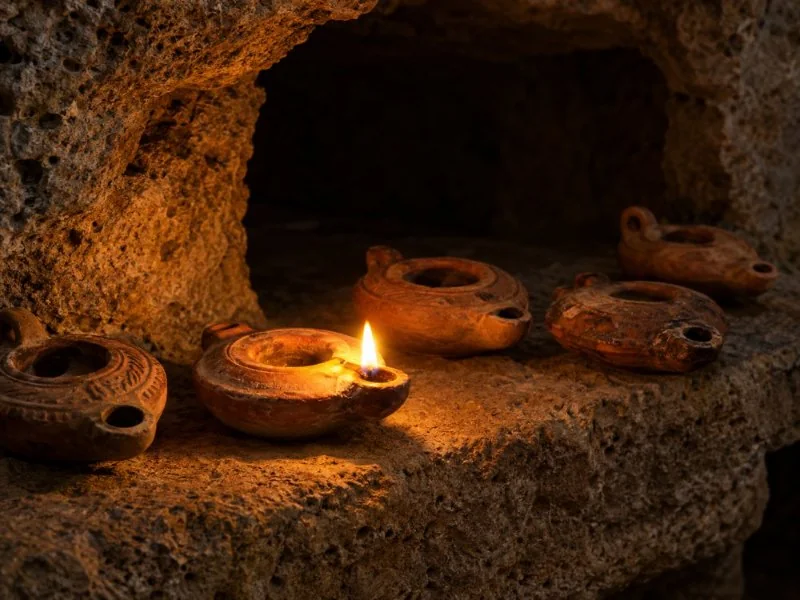
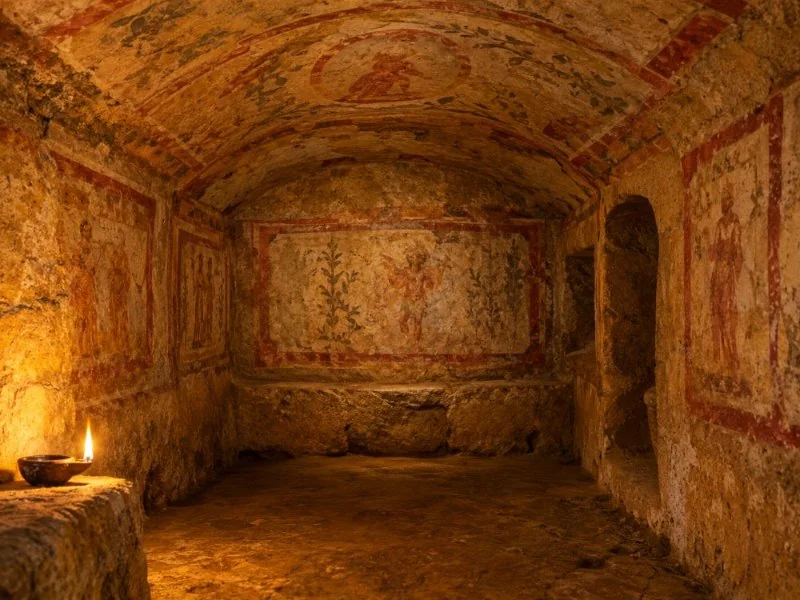
The Greek Chapel and one of the earliest known images of the Virgin and Child, at Priscilla with its own guide.
Book thisWho looks after the catacombs today?
The Pontifical Commission for Sacred Archaeology, founded by Pius IX in 1852, with day-to-day running entrusted to religious orders.
Under the Lateran Pacts, the commission's authority covers the Christian catacombs across Italy, and it sets the rules for public access. The Salesians run San Callisto, the Divine Word Missionaries Domitilla and the Benedictine Sisters Priscilla. The Jewish catacombs fall under the Italian state.
For more layers of Christian Rome, the San Clemente and Domitilla tour goes down through a medieval basilica, a 4th-century church and a Mithraic temple before the catacomb. The Paris questions people mix up with Rome are in Rome or Paris catacombs.
Frequently asked questions
Are there still bodies in the catacombs?
Most graves are empty or sealed. Relics of martyrs were moved to city churches centuries ago, though some niches still show remains behind broken slabs.
How old are the catacombs of Rome?
Christian burial underground began in the first half of the 2nd century, per San Callisto, and the Jewish catacombs are as old or older.
Who rediscovered the catacombs?
The find on the Via Salaria in 1578 started it, Antonio Bosio explored for decades, and Giovanni Battista de Rossi located the Crypt of the Popes in 1854.
How much does a catacomb visit cost?
The price is shown at checkout and moves with the date; what changes it is transport, what is bundled and group size.
Ready to book
Choose your catacombs tour
Free cancellation on every option, per each listing. Booked on GetYourGuide.
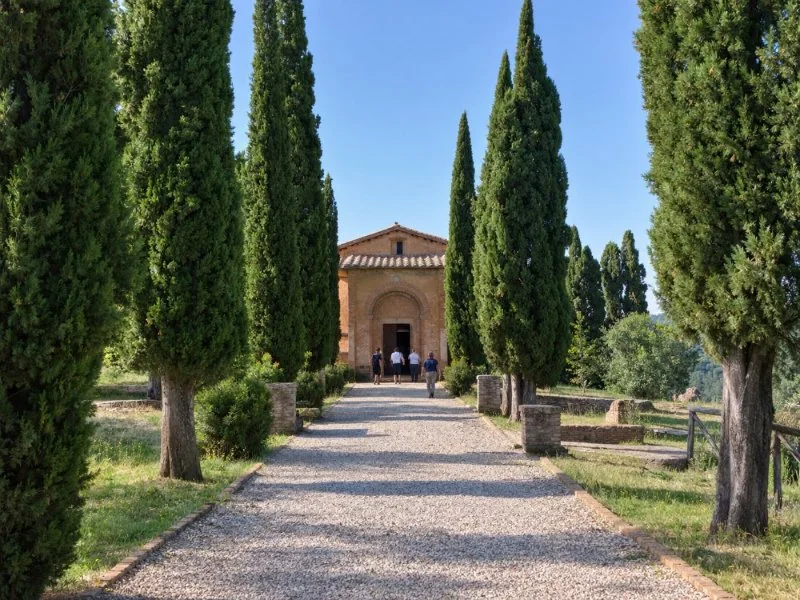
San Callisto Entry & Guided Visit
- Entry to the Catacombs of San Callisto with the guided visit the site runs for every visitor
- The Crypt of the Popes, the crypt of St Cecilia and the cubicles of the sacraments
- Meet at the ticket office at Via Appia Antica 110, ten minutes before your slot
Priscilla Catacombs Entry & Guided Visit
Away from the Appia, on Via Salaria in the north of the city: two levels of galleries looked after by Benedictine sisters, the Greek Chapel, and a painting of the Virgin and Child with a prophet pointing to a star that the Vatican's commission calls the oldest image of the Mother of God in the West.
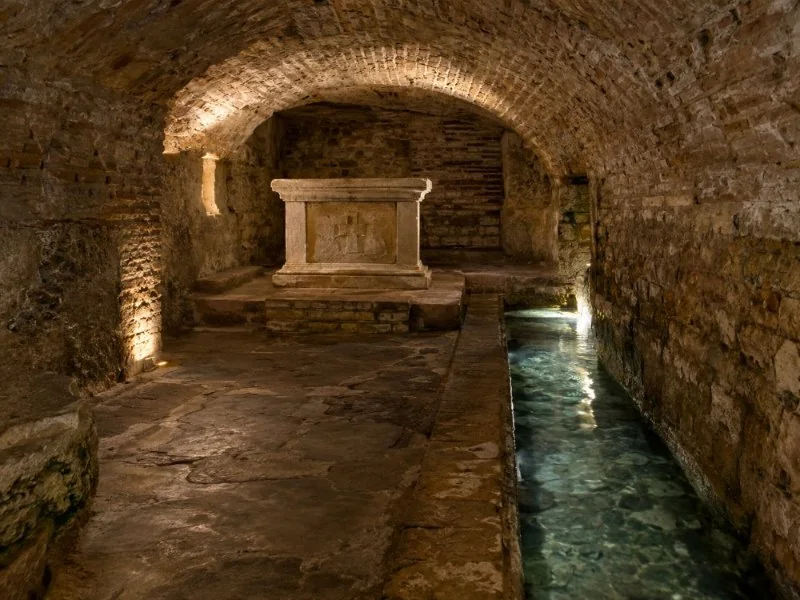
San Clemente Underground & Domitilla
Down through the three levels of San Clemente to a Mithraic temple and an underground stream, then by van to the Domitilla catacombs